Second Camera, First Chair: The Unsung Families Running America's Build Channels
Photo: Boasson and Eggler St. Petersburg Nevsky 24., Public domain, via Wikimedia Commons
There's a moment in a lot of build videos that regular viewers know by heart. The host turns a board over, realizes the camera missed the cut, and says something like, "Well, honey, we're doing that again." Somewhere off-screen, a voice laughs. That voice — and the person attached to it — is one of the most important figures in American maker content, and almost nobody watching knows their name.
Call it the second-camera spouse problem. Or the barn-lending neighbor economy. Either way, the truth is that a huge share of the DIY and woodworking channels Americans binge on weekends aren't solo operations at all. They're family businesses wearing a hobby's clothes.
The Spouse With the Steady Hands
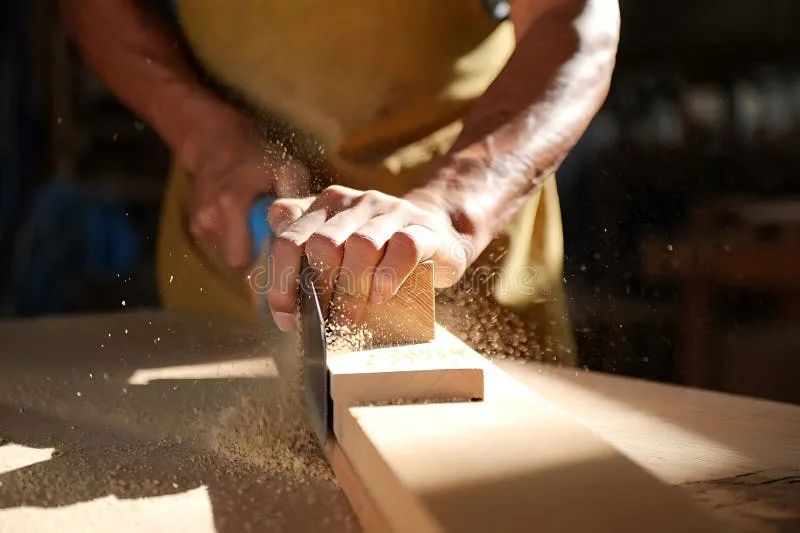
Ask a successful builder-creator who actually shot the transformation montage and you'll often get a sheepish look toward the garage door. The on-camera personality designs the project, sure. But the person tracking focus while sawdust drifts through a work light? Frequently a partner who never auditioned for the job.
These roles tend to evolve rather than get assigned. A quick phone clip here, a tripod adjustment there, and suddenly someone's running B-cam on every build. In the best cases, it's a genuine partnership — the off-camera spouse becomes the de facto producer, managing upload schedules, reading comment sections for product complaints, and vetoing the sponsor deals that don't pass the sniff test.
In the less happy cases, it's a slow drift into resentment. One partner gets the subscriber count; the other gets a Saturday schedule that never ends. Creators who've been doing this for more than a few years will tell you the channels that last are the ones where the off-camera work gets acknowledged on-camera, at least occasionally. A thank-you in the outro costs nothing. Viewers notice. So do spouses.
Kids as Quality Control
Then there are the children. Every so often, a build video needs a stress test — a jig that has to survive actual use, a swing that has to hold an actual kid, a toy box that has to be opened roughly four hundred times. Enter the builder's children, who often function as the most honest product-testing department in America.
There's an art to doing this well. The channels that handle it gracefully treat kids as participants, not props — they get their own segment, their own (age-appropriate) tools, sometimes their own mini-series. The audience adores it. Nothing drives engagement like a six-year-old critiquing Dad's glue-up with the confidence of a season-four judge.
The channels that handle it poorly treat children as content generators, and viewers can smell the difference. The comment sections on family-forward maker channels are surprisingly protective. Push the "my kid thinks this is terrible" bit too hard and it stops being charming and starts being uncomfortable.
The Neighbor With the Barn
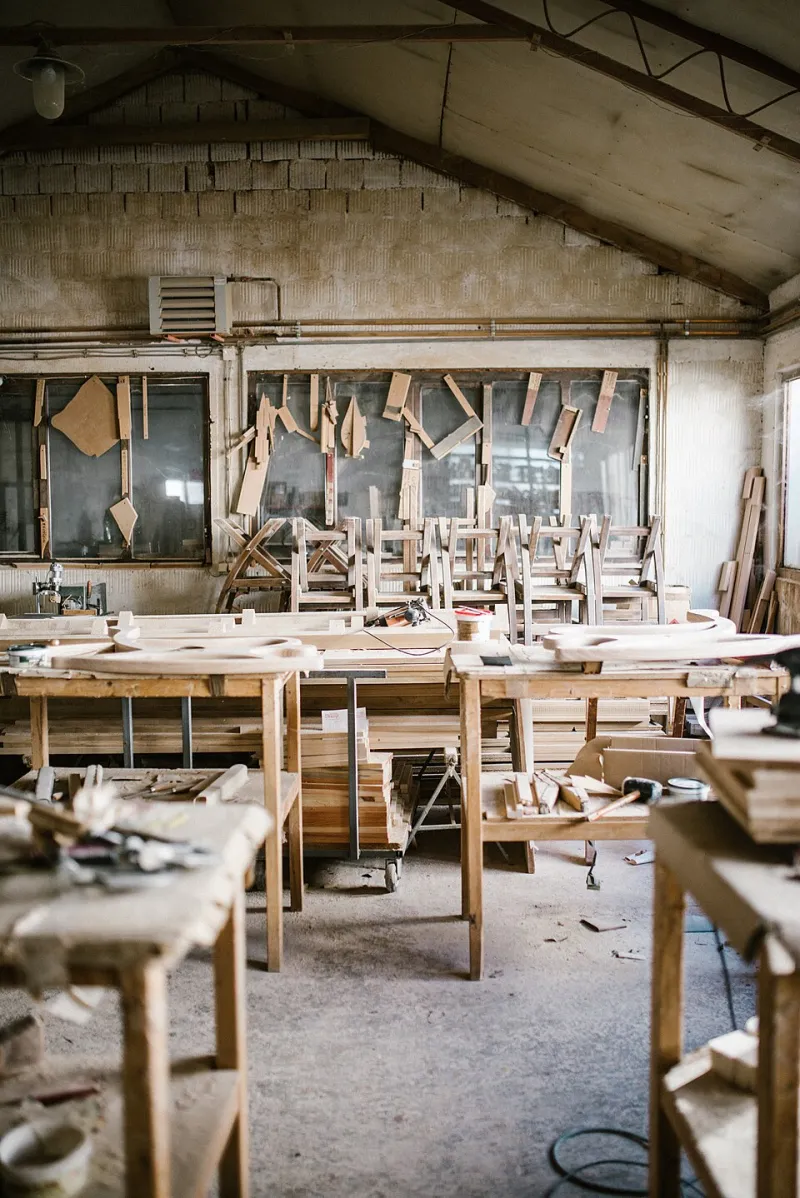
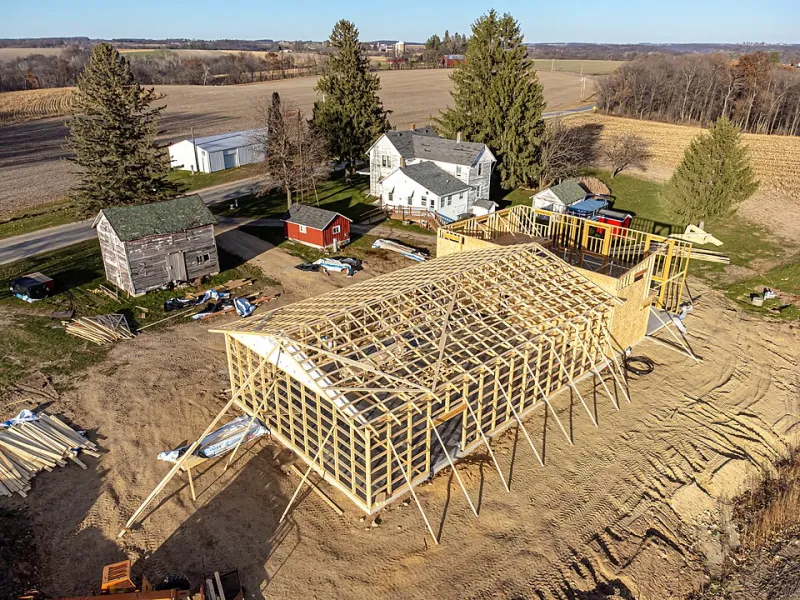
Every maker-video viewer has seen it: the host suddenly has access to a gorgeous timber-framed barn, a commercial spray booth, or a forklift, with zero explanation. That's the neighbor. Or the brother-in-law. Or the guy from church whose property has the good light in the afternoons.
Rural and suburban America is quietly full of these arrangements — a creator with a camera and an audience, and a landowner with space and no interest in being on screen. Some of these neighbors eventually get their own episodes. A few have accidentally become beloved recurring characters, the kind viewers ask about in comments years after their last appearance.
It's a very American kind of infrastructure. The maker channel economy runs on informal favors as much as it runs on affiliate links, and the creators who thrive are usually the ones who are good to have around a shop.
When the Hobby Becomes the Household Business
Here's where it gets complicated. Once a channel generates real income — and plenty of them do — the family dynamic changes. Do the spouse's editing hours count as work? Does the teenager who's appeared in a hundred videos get a cut? Should the neighbor's barn come with a location fee?
Families that navigate this well tend to formalize things early, even if it feels unromantic. A conversation about who owns the channel, who gets paid what, and what happens if the creator wants to stop is worth having before the first big sponsorship check, not after. Families that don't have that conversation tend to have it eventually, just with lawyers.
There's also the privacy math. Kids who consented to being on camera at seven are fourteen now, with opinions of their own. The most thoughtful family channels build in exit ramps — blurred faces, first names only, or a hard cutoff age. It's a harder call than outsiders assume, because the audience genuinely loves these families, and walking that back can feel like breaking up with a million friends at once.
Give Credit Where the Credit Is Due
So the next time a build video flows a little too smoothly, spare a thought for the whole operation behind it. The partner who heard "just one quick clip" three years ago and now runs the edit bay. The kid who broke the prototype so you didn't have to. The neighbor whose barn has better lighting than any studio in town.
The lone craftsman in the garage was always a bit of a myth. The camera just finally caught the rest of the family in the frame.