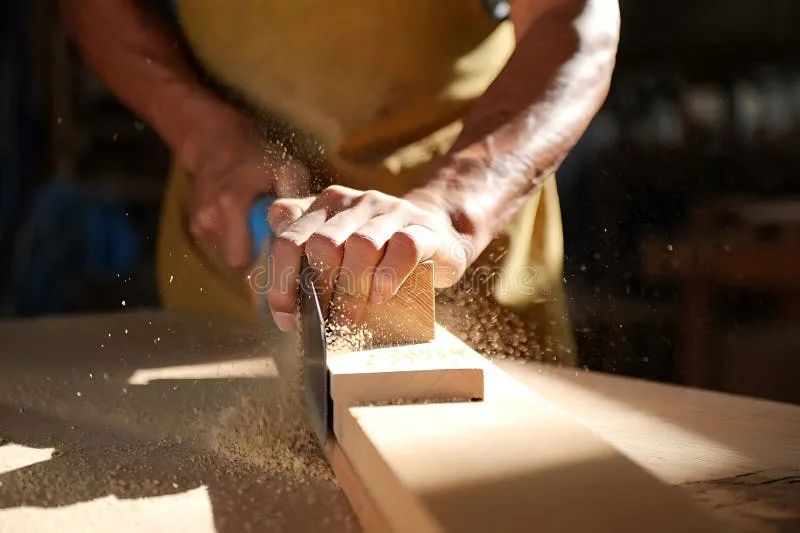
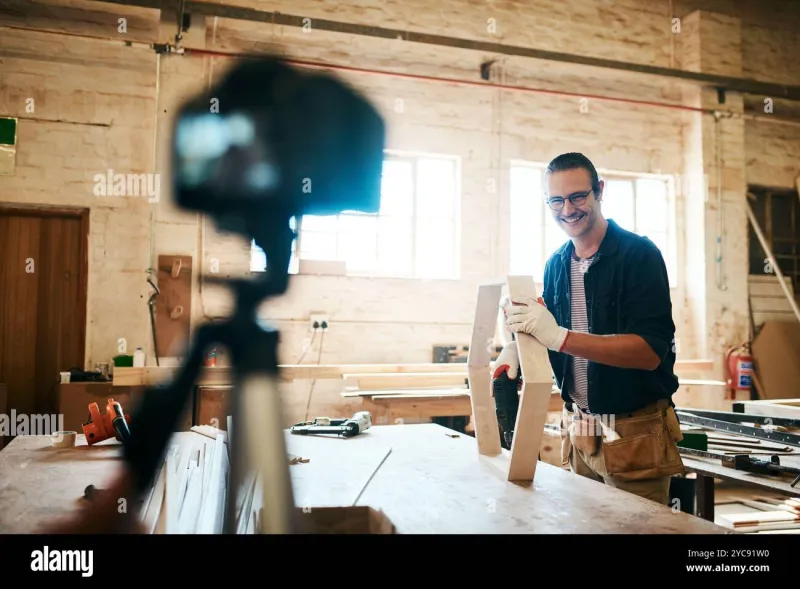
The Feed Told Me to Build a Blanket Ladder: Confessions of an Algorithm-Steered Workshop
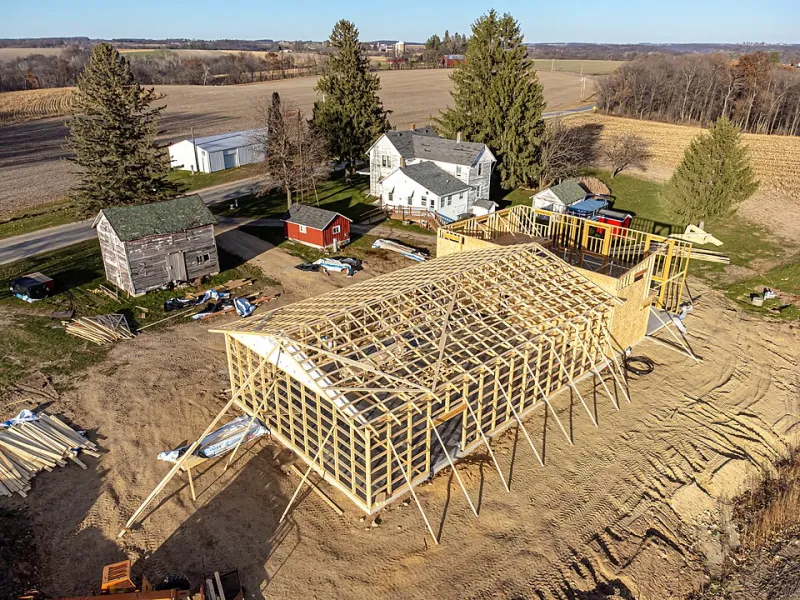
Photo: Wikideas1, CC0, via Wikimedia Commons
There's a moment every woodworker knows. You're standing in the shop, lumber picked out, sketchbook open, ready to start that one project you've been putting off for two years. Then you check your phone, see that farmhouse blanket ladders are pulling six-figure views this month, and suddenly the sketchbook closes.
That moment — tiny, almost invisible — might be reshaping what gets built in American workshops right now.
The Trending Shelf
Spend twenty minutes on any DIY feed and you'll spot the pattern. One month it's floating shelves with hidden LED strips. Next it's the "easiest end table ever" — usually a two-by-four build aimed squarely at beginners with a weekend and a borrowed miter saw. These aren't bad projects. But they show up in waves, and those waves aren't coming from shops. They're coming from spreadsheets.
When a particular build format spikes in watch time, platforms push more of it. Creators see the push, make more of it, and the loop tightens. Before long, three dozen channels you follow have all posted some version of the same scrap-wood organizer, each thumbnail angling for the same click.
Nobody's conspiring. It's just the feed doing what feeds do.
"I Haven't Built My Own Idea in a Year"
We heard from hobbyists — folks with day jobs, garages, and no monetization dreams whatsoever — who noticed something stranger happening. Even without chasing views, they'd started building what the algorithm surfaced.
"I scrolled past a live-edge coffee table video eleven times before I made one," a hobbyist from Ohio told us. "Never wanted a live-edge table. My wife wanted a bookshelf. I built the table. It's in the garage. The bookshelf still doesn't exist."
Another maker in North Carolina put it more bluntly: "I used to keep a project list. Now I keep a watch history. Those aren't the same thing anymore, and I didn't notice the switch."
That's the quiet cost here. Not originality in the abstract, but the specific pleasure of building the thing you actually thought up. When your project queue is assembled by proxy — by what thousands of strangers watched to the end of last Tuesday — your shop slowly becomes a mirror of the feed instead of a reflection of you.
The Beginner Trap
There's a second-order effect worth naming. Algorithm-friendly builds skew simple by design. Short watch times, broad appeal, low material cost. That's great for accessibility — genuinely. More people picking up a saw is a win.
But when easy builds dominate the feed, they also dominate the idea of what building looks like. Skilled, weird, personal work — the half-insane jig, the chair that took eight months, the reproduction of a grandfather's workbench — doesn't trend. It doesn't get suggested. And makers who might have attempted something ambitious never see anyone else attempting it either.
The feed optimizes for the middle. Workshops used to be where you escaped the middle.
Is This Actually New?
Honest answer: sort of. Woodworkers have always copied each other. Pattern books, Norm Abram, magazine plans — influence predates the algorithm by centuries. The difference is speed and invisibility. A magazine plan sat on your bench; you chose to open it. The feed chooses for you, then buries the choice under twelve more suggestions before you've noticed you made one.
Taking the Shop Back
So what's the move? A few things, none of them radical:
- Build from a problem, not a playlist. Start with what your house actually needs. The feed doesn't know your hallway is too narrow.
- Keep a project list that predates your watch history. If an idea survived a month before you saw a video about it, it's yours.
- Seek out the un-trendy. Small channels doing slow, strange work exist. They just require typing in a search instead of accepting a suggestion.
- Let the algorithm serve you, not the reverse. Watch what you want. Build what you want. Occasionally those overlap. That's fine.
None of this means abandoning the platforms that taught half of America to cut a dado. It just means remembering which one of you is holding the pencil.
The blanket ladder? Build it if you want one. But if you're building it because the feed said so — maybe start with the bookshelf your wife asked for. The algorithm will forgive you. It forgets everything anyway.