We Read a Real Maker Sponsorship Contract So You Don't Have To (But You Should)

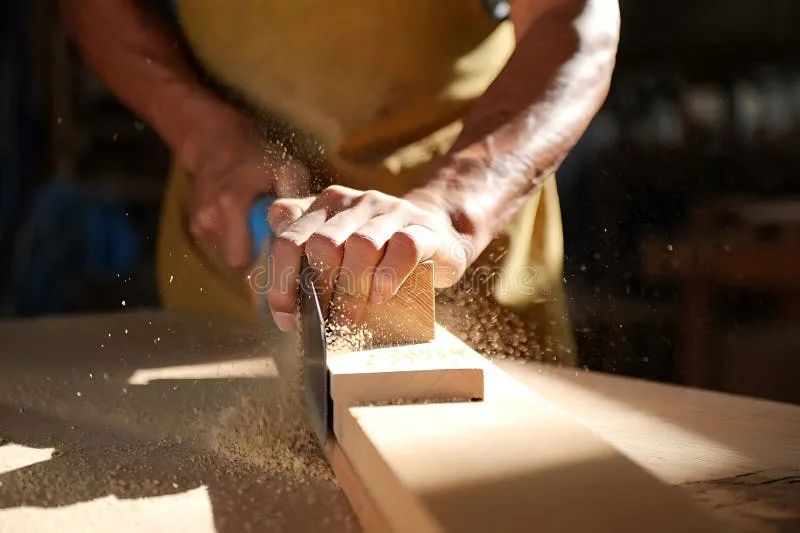
Photo: Shixart1985, CC BY 2.0, via Wikimedia Commons
Ever wonder what actually happens after the 'this video is sponsored by' line? We got our hands on a real, signed sponsorship agreement between a mid-size woodworking channel — think 300K subscribers, a two-car-garage shop in Ohio — and a major American tool brand. The creator asked to stay anonymous, but everything else here is verbatim from the deal. Grab a coffee. The fine print is wilder than you'd think.
First Surprise: Your Shop Isn't Fully Yours Anymore
Buried in Section 4, under 'Content Usage Rights,' is a clause granting the sponsor a 'perpetual, worldwide, royalty-free license' to reuse clips from the sponsored video — and, here's the kicker, 'adjacent channel content' — in their own marketing. Translation: that beautiful slow-mo shot of the brand's miter saw screaming through a walnut board? They can put it in a Super Bowl-adjacent ad campaign without paying you another dime.
'It's standard, and it's also the clause most first-timers don't clock,' says Dana Whitfield, a contracts attorney in Austin who works with creators. 'You shot it. You edited it. And now a corporation owns a piece of it forever. Push for a term limit — two years, maybe three — or scope it to the specific video only.'
The Exclusivity Lock: One Brand, One Bench, Twelve Months
Section 7 is the exclusivity provision, and it's a doozy. For twelve months after the sponsored video goes live, the creator can't 'prominently feature, endorse, or demonstrate' any competing tool brand 'in a manner reasonably likely to cause brand confusion.'
What counts as 'prominent'? The contract doesn't say. That vagueness is the problem. Does a competitor's clamp sitting in the background of every video count? Probably not — but you'd be surprised how many creators have gotten a tense email about a logo catching the light.
Whitfield's advice: 'Get a carve-out list in writing. Background appearances are fine. Organic use in non-sponsored builds is fine. Ambiguity in a contract always gets resolved against the person who didn't write it, and that person is you.'
The Payment Schedule Is Not Your Friend
Here's the clause that made us wince: 50% due 60 days after publication, 50% due 90 days after. Net-90 terms might fly for a lumberyard, but for a creator whose income is lumpy at best, it's a cash-flow trap.
'Ask for net-30, or 25% up front,' Whitfield says. 'Sponsors budget this money already. Asking for faster payment costs them nothing and costs you everything if you don't.'
The Morals Clause Cuts Both Ways
Section 11 lets the brand terminate 'for conduct detrimental to brand reputation.' Standard stuff — but read the termination remedies. In this contract, if the sponsor pulls the plug, they keep the usage rights from Section 4 and the creator keeps... nothing. Not the second payment, not the footage license.
'Try to add a kill fee,' Whitfield recommends. 'If they walk, you get 25 to 50 percent of the remaining payment. If you walk, same. It's the single most common clause in entertainment contracts and somehow the least common in creator deals.'
What's Actually Negotiable
Here's the encouraging part: almost all of it. Whitfield estimates that sponsors expect pushback on 20 to 30 percent of terms, and a creator who redlines professionally often reads as more credible, not less. The big three to fight for:
- Limit the usage license — time-bound and content-specific.
- Define exclusivity — with carve-outs for background and organic use.
- Fix the payment terms — net-30, or an upfront percentage.
The clauses sponsors genuinely won't budge on? FTC disclosure language and approval rights over the ad segment. Those are non-starters for good legal reasons, so don't burn goodwill there.
The Bottom Line
The creator who shared this contract told us he signed it 'mostly excited someone wanted to pay me for videos.' A year later, he watched a clip of his own hands sell saw blades in a trade-show booth he wasn't invited to. He's since renegotiated — but the original deal is still out there, doing its quiet work.
If you're a maker staring down your first brand deal: the excitement is real, and so is the fine print. Read every section. Then read it again with a lawyer on the phone. Your future self — and your future bench space — will thank you.