Mute the Talking, Keep the Shavings: Inside America's Tool-Noise Obsession
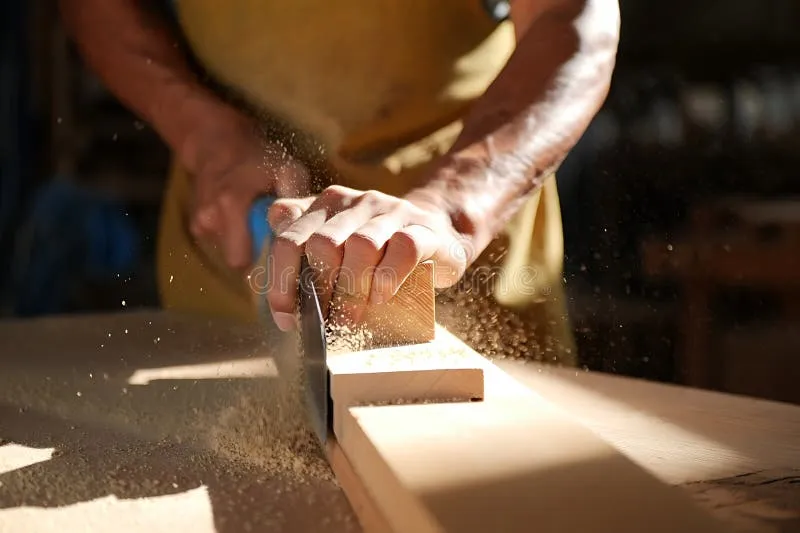
Photo: woodworker hand planing wood shavings workshop close up, via thumbs.dreamstime.com
There's a particular sound a hand plane makes when the iron is razor sharp and the cut is just right. It's not quite a whisper and not quite a hiss — more like a long exhale that ends in a delicate curl of wood dropping to the bench. If you've spent any time on YouTube late at night, you've probably heard it. You've probably also noticed the view counts on those videos, and they're bigger than you'd guess.
Welcome to the tool-sounds genre, where the audio isn't background — it's the entire point.
The Night-Shift Audience
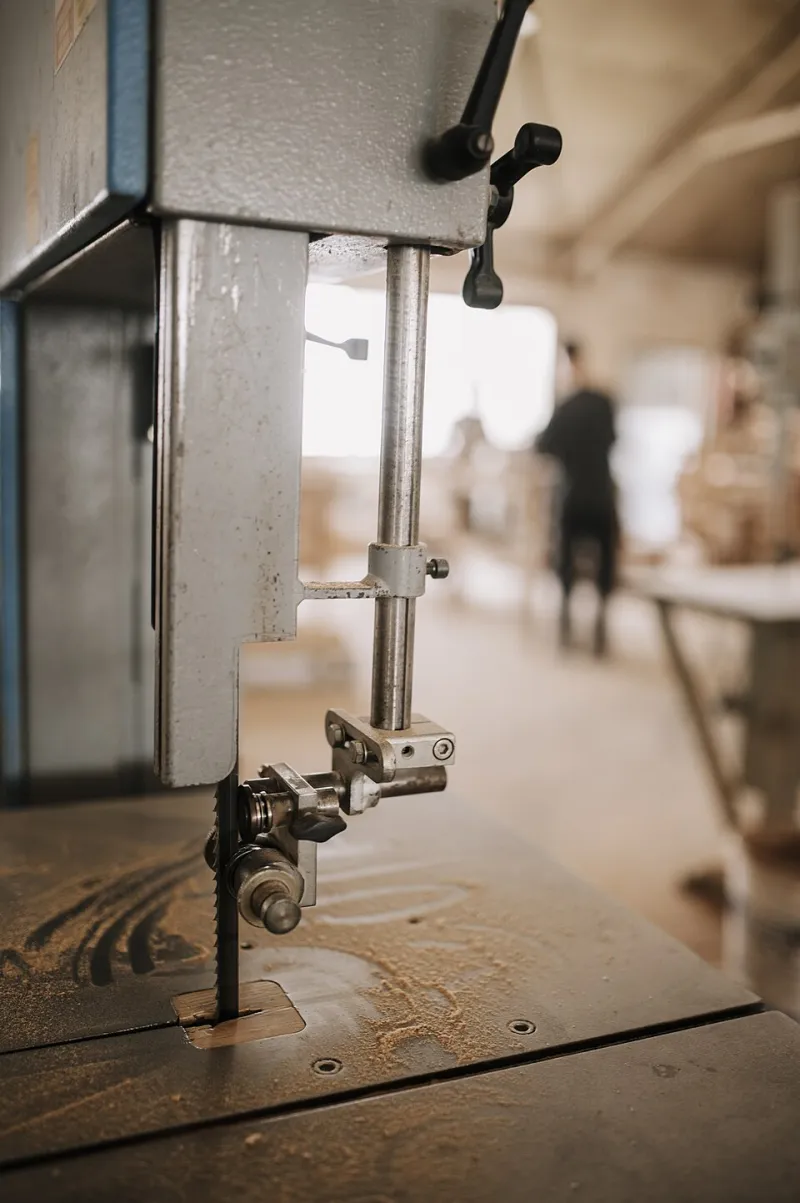
Ask creators in this niche when their videos get watched and you'll hear the same answer over and over: after 10 p.m. The audience is winding down, phones in hand, headphones on. They're not looking for tips on dovetails or a review of the latest track saw. They want the rhythmic scrape of a cabinet scraper, the hollow thunk of a mallet on a chisel, the steady drone of a bandsaw biting through walnut.
It tracks with a broader shift in how Americans consume content. Sleep-focused playlists, lo-fi streams, rain-on-a-tent videos — the watch-later queue has quietly become the wind-down queue. Tool content just happens to be the woodshop's contribution to the genre, and honestly, the shop has an unfair advantage. Few environments offer such a rich palette of natural percussion.
Recording a Workshop Like a Film Set
What separates the top channels in this space from someone filming on a phone in a garage is, unsurprisingly, audio engineering. Spend ten minutes in the comment section of any popular no-talking build video and you'll find viewers debating microphone choices like audiophiles arguing about turntables.
The typical setup for a serious creator in this niche looks something like this:
- A pair of matched small-diaphragm condensers in an ORTF or spaced-pair configuration, hung above the bench to capture stereo width — the difference between a flat recording and one where the chisel work pans naturally left to right as the creator moves.
- A contact microphone or two stuck directly to the bench or workpiece for those intimate, almost tactile low-frequency details. This is the mic that catches the wood itself vibrating.
- A shotgun or dynamic mic as a spot option for close-ups, because a hand plane filmed at hip level sounds very different from one recorded at the sole.
- Foolproof gain staging, because nothing ruins a quiet video faster than a compressor pumping every time a sander kicks on.
Then there's the room itself. American garages and basement shops are acoustic nightmares — parallel drywall walls, bare concrete floors, an open garage door acting like a bass reflex port. Creators in this genre have become accidental acousticians: moving blankets on stands for the echo, a rug under the bench, bookshelves and lumber racks broken up with intention. One creator in Ohio told me he treats his lumber rack as a diffuser, and honestly, looking at his waveform, it's working.
Why Raw Beats Polished Here
Here's the interesting wrinkle: viewers in this genre don't want studio-perfect audio. They want believable audio. A little bench creak, a dog toenail-clicking across the floor in the background, the neighbor's leaf blower faintly intruding — those imperfections read as authenticity. Over-produce it and it starts to feel like a commercial.
That's a reversal of how most of YouTube works, where loudness wars and punch-in editing rule. Tool-sound content is the anti-shout. There's no hook in the first five seconds, no "don't skip this part." The hook is the first cut of the plane, and it works because there's nothing else competing for your attention.
Five Channels Worth Putting On Tonight
If you're new to the genre, queue these up — headphones strongly recommended:
- The quiet hand-tool builders. Small channels filming entirely with hand planes, saws, and chisels. The sound palette is intimate and varied, and the pacing is unhurried in the best way.
- The lathe folks. Turning content is arguably the king of tool ASMR — a continuous, meditative drone with satisfying reveals. Bonus points for catching a catch on camera (everyone holds their breath).
- Finishing-focused channels. Wiping varnish, brushing shellac, sanding between coats. The sanding sequences alone are worth the click.
- Restoration channels. Rust removal, wire wheels, hand-cranked grinder wheels. It's tool ASMR with a narrative arc, since you're hearing an object come back to life.
- The binaural experimenters. A smaller cohort recording with in-ear binaural mics. On headphones, the effect is startling — it genuinely feels like you're standing at the bench.
The Takeaway
There's a temptation to dismiss tool-noise videos as a fluke of the algorithm — weird content that just happens to hook a niche. But that undersells what's happening. These creators have identified something the broader creator economy keeps forgetting: attention isn't only captured, it can also be soothed. In a media landscape engineered to spike your heart rate, an hour of nothing but a sharp chisel popping end grain is close to radical.
So tonight, skip the talking-head video. Put on the sanding one. You know the one.